
Petspawl
How to Remove Pet Stains Naturally: Simple Safe Cleaning Methods
Sep
Pet accidents happen, especially with puppies, kittens, senior pets, or animals adjusting to a new home. The good news is that you do not always need harsh chemical cleaners to deal with them.
Learning how to remove pet stains naturally can help you clean everyday messes with simple ingredients such as baking soda, white vinegar, mild soap, and water. The key is to act quickly, remove as much moisture as possible, and avoid rubbing the stain deeper into the fabric.
This guide explains how to clean pet urine, vomit, mud, and other common stains from carpets, upholstery, bedding, and hard floors.
SHOP for pets
What You Need to Remove Pet Stains Naturally
Keep these basic supplies on hand:
- Clean white cloths or paper towels
- Baking soda
- White vinegar
- Warm water
- Mild, fragrance-free dish soap
- Spray bottle
- Soft brush
- Vacuum cleaner
- Gloves
Always test a small hidden area first, especially on delicate fabrics, dyed carpets, wood, stone, or leather.
How to Remove Fresh Pet Urine Stains Naturally
Fresh urine stains are usually much easier to clean than dried stains. Start as soon as you notice the accident.
Step 1: Blot the Area
Use paper towels or a clean cloth to absorb as much urine as possible. Press firmly, but do not rub. Rubbing can push the urine deeper into the carpet or upholstery.
Continue blotting until the cloth or paper towel comes away mostly dry.
Step 2: Apply a Vinegar and Water Solution
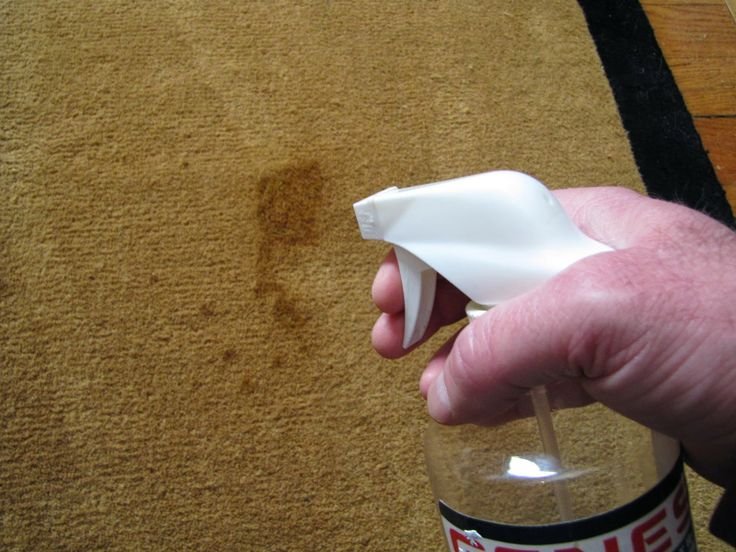
Mix equal parts white vinegar and cool water in a spray bottle. Lightly spray the stained area until it is damp, not soaked.
Let the solution sit for about 5 to 10 minutes. Vinegar can help break down the stain and reduce odor.
Step 3: Blot Again
Use a clean cloth to blot the area until most of the moisture is removed.
Step 4: Use Baking Soda for Odor
Sprinkle baking soda generously over the damp area. Leave it for several hours or overnight so it can absorb remaining moisture and odor.
Once the area is fully dry, vacuum the baking soda.
How to Remove Dried Pet Urine Stains
Dried pet urine can be more difficult because the odor may remain even after the visible stain disappears.
First, lightly dampen the stain with the vinegar-and-water solution. Allow it to sit for 10 minutes, then blot it with a clean cloth.
Next, cover the area with baking soda and leave it overnight. Vacuum it when dry. You may need to repeat this process for older or deeper stains.
If your pet continues returning to the same spot, there may still be odor that you cannot smell but your pet can. In that case, use a pet-specific enzymatic cleaner as directed, especially for carpets or upholstery.
How to Remove Pet Vomit Stains Naturally
For pet vomit, remove any solid material first while wearing gloves. Avoid pressing it into the carpet or fabric.
Mix two cups of warm water with a few drops of mild, fragrance-free dish soap. Dip a clean cloth into the solution and gently blot the stained area.
Then wipe with a separate cloth dampened with plain water to remove soap residue. Blot dry and sprinkle baking soda over the area if there is any lingering smell. Vacuum once dry.
If vomit contains blood, occurs repeatedly, or your pet seems unwell, contact a veterinarian promptly.
How to Remove Muddy Paw Prints Naturally
Muddy paw prints are easiest to clean after the mud has dried. Let the area dry completely, then vacuum or brush away loose dirt.
For any remaining mark, mix warm water with a few drops of mild dish soap. Use a clean cloth to gently blot the stain, working from the outside toward the centre.
Finish by blotting with plain water and allow the area to air-dry.
Natural Pet Stain Cleaning for Upholstery
Before cleaning a sofa, chair, or cushion, check the manufacturer’s care label. Some materials need professional cleaning and may be damaged by water or vinegar.
For most washable upholstery:
- Blot the stain with a dry cloth.
- Apply a small amount of vinegar-and-water solution.
- Blot gently with a clean cloth.
- Use baking soda after cleaning if odor remains.
- Allow the fabric to dry fully before your pet uses it again.
Avoid over-wetting upholstery. Too much moisture can soak into padding and create a musty smell.
How to Clean Pet Stains from Hardwood and Hard Floors
For sealed tile, vinyl, or other hard floors, wipe up the mess promptly with a damp cloth and mild dish soap. Dry the surface afterward.
For hardwood floors, use very little moisture. Blot first, then wipe gently with a barely damp cloth. Dry immediately with a clean towel.
Do not use vinegar on natural stone, unsealed wood, or surfaces where the manufacturer advises against acidic cleaners. Vinegar may dull or damage some finishes.
Natural Ways to Prevent Pet Stains
The best way to manage pet stains is to reduce accidents before they happen.
Try these simple prevention tips:
- Take puppies outside on a regular schedule.
- Keep litter boxes clean and easy for cats to access.
- Clean accidents thoroughly so pets are less likely to return to the same area.
- Use washable pet bedding and throws on furniture.
- Keep a small cleaning kit ready for quick action.
- Schedule a veterinary check if a house-trained pet suddenly begins having accidents.
Common Natural Cleaning Mistakes to Avoid
Natural cleaning methods can be helpful, but a few mistakes can make stains worse.
Do not rub stains aggressively. Blotting is gentler and more effective.
Do not use strong fragrances or essential oils around pets unless you have confirmed they are safe for your specific animal. Some essential oils can be harmful to dogs and cats.
Do not mix household cleaners. In particular, never mix vinegar with bleach or other chemical cleaning products.
Do not use hot water on urine stains. Heat can set the stain and make odor harder to remove.
Frequently Asked Questions
Can baking soda remove pet urine smell?
Baking soda can help absorb odor after you have blotted and cleaned the stain. It works best when left on the dry or lightly damp area for several hours before vacuuming.
Is vinegar safe for cleaning pet stains?
A diluted white-vinegar solution is commonly used for many washable surfaces, but always test a hidden area first. Do not use vinegar on natural stone, unsealed wood, or delicate materials.
Why does my pet keep urinating in the same spot?
Your pet may still detect odor in the area, even if you cannot. Reclean the area thoroughly and consider a pet-specific enzymatic cleaner. Repeated accidents can also be a training, stress, or health issue, so speak with a veterinarian if the behavior continues.
Final Thoughts
Knowing how to remove pet stains naturally can make everyday accidents less stressful. Blot quickly, use gentle cleaning methods, and give the area time to dry completely. With baking soda, diluted vinegar, mild soap, and a consistent routine, you can keep your home cleaner and more comfortable for both you and your pet.
